How To Get Rid Of Acne (Pimples) Causes, Symptoms & Home
Table of ContentsHow To Get Rid Of Cystic Acne: Tips From A DermatologistGot Adult Acne? Get Answers From An Expert - Johns HopkinsAcne Antibiotics PillsHow To Get Rid Of Forehead Acne, According To Dr. KaminskaCan I Prevent Acne? (For Teens) - Nemours Kidshealth
If any additional questions strike you throughout your check out, do not think twice to ask. What treatment approach do you advise for me? If the very first treatment doesn't work, what will you advise next? What are the possible side results of the medications you're prescribing? The length of time can I safely use the medications you're prescribing? How right after starting treatment might my signs begin to improve? When will you see me again to evaluate whether my treatment is working? Is it safe to stop my medications if they don't seem to be working? What self-care actions might enhance my signs? Do you recommend any modifications to my diet plan? Do you suggest any changes to the over-the-counter products I'm utilizing on my skin, consisting of soaps, creams, sun blocks and cosmetics? Your medical professional is likely to ask you a number of concerns. acne treatments that works - treatments for acne.
Your physician may ask: When did you first develop this issue? Does anything in specific appear to trigger an acne flare, such as tension or in girls and ladies your menstrual cycle? What medications are you taking, consisting of over-the-counter and prescription drugs along with vitamins and supplements? In girls and ladies: Do you utilize contraceptive pills? In women and females: Do you have routine menstrual periods? In ladies and ladies: Are you pregnant, or do you prepare to end up being pregnant quickly? What kinds of soaps, lotions, sun blocks, hair products or cosmetics do you utilize? How is acne affecting your self-esteem and your confidence in social situations? Do you have a family history of acne? What treatments and self-care steps have you tried so far? Have any worked? Have other relative had isotretinoin treatment or hormone treatment to treat their acne? Has it worked? Last Updated: September 12th, 2020. best acne treatments.
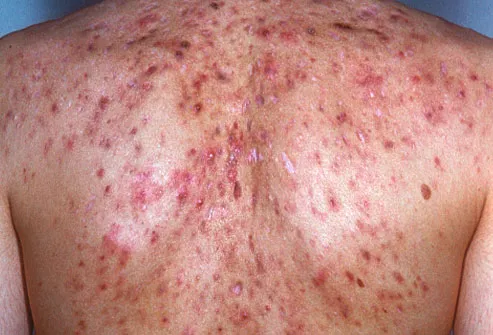
Acne most typically establishes on the: face this affects nearly everyone with acneback this affects majority of people with acnechest this impacts about 15% of people with acne Credit: DR P. MARAZZI/SCIENCE PHOTO LIBRARY https://www. sciencephoto.com/media/250116/view There are 6 main kinds of area brought on by acne: blackheads little black or yellow-colored bumps that establish on the skin; they're not filled with dirt, but are black due to the fact that the inner lining of the hair roots produces colourwhiteheads have a similar appearance to blackheads, however may be firmer and will not clear when squeezedpapules small red bumps that may feel tender or sorepustules similar to papules, but have a white tip in the centre, triggered by a build-up of pusnodules large difficult lumps that build up below the surface area of the skin and can be painfulcysts the most severe kind of spot brought on by acne; they're large pus-filled lumps that look similar to boils and bring the best risk of causing irreversible scarring These self-help methods may work: Do not wash impacted locations of skin more than two times a day.
Acne Regimen
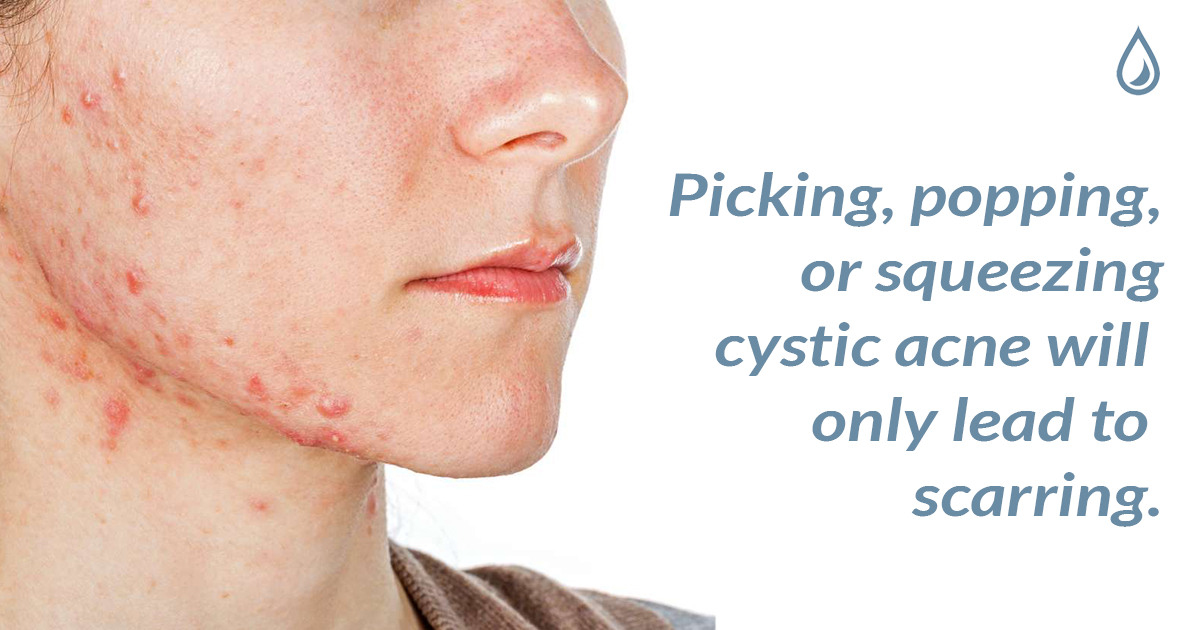
Wash the afflicted area with a moderate soap or cleanser and lukewarm water. Extremely hot or cold water can make acne worse. Do not try to "clear out" blackheads or capture areas. This can make them even worse and trigger long-term scarring. Avoid utilizing too much cosmetics and cosmetics. Use water-based products that are described as non-comedogenic.
 Reduce Acne Scars
Completely remove makeup prior to going to sleep. If dry skin is a problem, utilize a fragrance-free water-based emollient. Regular workout can not improve your acne, however it can boost your mood and improve your self-confidence. Shower as soon as possible once you complete exercising as sweat can irritate your acne. Wash your hair regularly and attempt to avoid letting your hair fall throughout your face.
If you establish moderate acne, it's a great concept to speak with a pharmacist for suggestions (acne treatment for sensitive skin). A number of creams, lotions and gels for treating spots are available to purchase from pharmacies. Products containing a low concentration of benzoyl peroxide might be advised, however take care as this can bleach clothing. If your acne is severe or appears on your chest and back, it might require to be treated with prescription antibiotics or stronger creams that are only available on prescription.
How To Get Rid Of Acne - Treatments, Skin Cures - Refinery29
 Best Acne Treatment Products
If these do not manage your acne, or it's making you feel very unhappy, see a GP.You must see a GP if you have moderate or serious acne or you establish blemishes or cysts, as they need to be dealt with effectively to avoid scarring. Try to withstand the temptation to select or squeeze the areas, as this can cause permanent scarring (acne pills).
Once they do begin to work, the results are usually excellent. Acne is most frequently linked to the changes in hormone levels during puberty, but can begin at any age. Particular hormonal agents trigger the grease-producing glands next to hair follicles in the skin to produce bigger amounts of oil (unusual sebum). how to clear acne on face.
acnes, which becomes more aggressive and causes swelling and pus. The hormones also thicken the inner lining of the hair roots, causing blockage of the pores. http://www.bbc.co.uk/search?q=eczema acne help. Cleaning up the skin does not help to remove this blockage. Acne is understood to run in households. If both your mom and father had acne, it's likely that you'll likewise have acne.
Acne Antibiotics Pills
There's no evidence that diet, bad hygiene or sex contribute in acne (how to get rid of acne and pimples). Acne is extremely common in teens and more youthful grownups. About 95% of individuals aged 11 to 30 are affected by acne to some degree. Acne is most common in girls from the ages of 14 to 17, and in young boys from the ages of 16 to 19.
 Top Acne Products
Acne frequently vanishes when an individual remains in their mid-20s. In many cases, acne can continue into adult life. About 3% of grownups have acne over the age of 35. strongest acne medications. Page last reviewed: 12 July 2019Next review due: 12 July 2022 - acne medication. acne facial.
We get you. It can be frustrating when that puss-filled bump appears on acne treatments your face prior to an important occasion. treatments for acne. More so, if you have had a couple troubling you for a while. So just what are those things? Well, acne or acne vulgaris is a skin condition that happens when a pore gets blocked with dead skin cells, oils and a type of bacteria called Propionibacterium acnes (P.
13 Powerful Home Remedies For Acne - Healthline
[1] While the majority of people experience acne between the ages of 12 and 24, it can happen at a later stage of life as well. However, there is no need to be depressed or lose your hair over it (whats the best way to get rid of acne). Rather, understand the root cause and work towards treating it properly.
 Best Acne Creams
[2] Hormonal agents Stress Particular medications Poor hygiene Wrong skin care items Sun Unhealthy Diet plan Non-inflammatory acne [3] Inflammatory acne A. Blackheads B. Whiteheads A. Papules B. Pustules C. Nodules D. Cysts Non-inflammatory acne does not cause swelling. They are distinguished by open and closed comedones (clogged pores). [4] Blackheads [5] are the outcome of clogged up pores, triggered by sebum (oil produced by the skin's sebaceous glands) and dead skin cells.
This leads to the black dots that are seen on your skin's surface area. They are likewise called open comedones. Blackheads can appear on Face Back Chest Neck Arms Shoulders Blackheads are mild kind of acne. 6-8 weeks Whiteheads [6] are likewise formed due to stopped up pores left by sebum and dead skin cells (how to get rid of acne and pimples).